I always look for quality and reliability when I choose a Custom Kitchen Textiles Manufacturer. My experience shows that a good business fit matters as much as strong products. I focus on both the textiles and the partnership behind them. This approach helps me avoid common mistakes and build long-term success.
Define your needs by identifying the specific kitchen textiles required for your business.
Choose the right materials for durability and comfort, such as cotton for towels and linen for table linens.
Consider order size and minimum order requirements to align with your budget and business growth.
Focus on branding by incorporating your logo and colors on textiles to enhance brand recognition.
Evaluate manufacturers based on their reputation, experience, and production capabilities before making a decision.
Request samples to assess quality and ensure they meet your standards before placing a large order.
Start with a pilot order to test the manufacturer’s reliability and build a strong partnership.
When I start searching for a custom kitchen textiles manufacturer, I first decide which products I need. I look at the tasks in my kitchen and choose textiles that fit each job. Some of the most common types I request include:
Waiter Apron: I use these in restaurants to keep staff uniforms clean and maintain a professional appearance.
Bib Apron: This style covers the body down to the knees. It gives maximum protection during food preparation.
Kitchen Towel: I rely on these for drying dishes, wiping hands, and handling hot cookware.
Bar Mop Towel: The absorbent terrycloth makes it easy to clean up spills quickly, especially in busy bar areas.
I also consider table linens, which add style and function to dining spaces. Choosing the right mix of products helps me meet both practical and branding needs.
I always match the textile type to its purpose. Towels work best for cleaning and drying. Aprons protect clothing and create a uniform look for staff. Table linens set the tone for the dining area and can reinforce my brand image.
Selecting the right material is just as important as choosing the product type. I look for fabrics that offer durability, comfort, and easy care. Some materials I use most often include:
Cotton: Soft, absorbent, and easy to wash. I choose cotton for towels and aprons that need frequent cleaning.
Linen: Strong and stylish. Linen works well for tablecloths and napkins in upscale settings.
Microfiber: Lightweight and quick-drying. Microfiber towels help me clean surfaces without leaving streaks.
I also explore newer options for special needs:
Hemp-based fabrics last a long time and break down naturally, making them great for wrapping food.
Banana fiber and jute composites offer eco-friendly choices for bags and pouches.
Antimicrobial fabrics help reduce contamination risks in uniforms and aprons.
Temperature-sensitive textiles let me monitor food freshness during storage.
Moisture-wicking materials keep workers comfortable and maintain hygiene.
I choose cotton for softness and absorbency. Linen gives a premium feel and resists wear. Microfiber cleans efficiently and dries fast. Each material has its own strengths, so I match them to the job.
Order size affects my choice of manufacturer. I estimate how many pieces I need for my business. Small orders work for testing new products or launching a new brand. Large orders suit established restaurants or retail stores. I always ask manufacturers about their minimum order requirements. This helps me plan my budget and avoid surprises. I also check if they can scale up production as my business grows.
Tip: I recommend starting with a smaller batch if you are unsure about demand. This approach lets you test product quality and customer response before committing to a larger order.
Branding plays a big role when I select custom kitchen textiles. I want every towel, apron, or table linen to reflect my business identity. When customers see my logo or colors, they remember my brand. This helps me stand out in a crowded market.
I start by thinking about what makes my brand unique. I look at my logo, color scheme, and even the fonts I use in my restaurant or store. I ask myself how these elements can appear on kitchen textiles. I often choose to add my logo to aprons or towels. Sometimes, I use initials or a custom pattern that matches my brand style. These small touches make a big difference.
Tip: Embroidered logos or custom designs on kitchen textiles do more than just look good. They help customers remember your business and create a special experience.
I work with manufacturers who offer a range of branding options. Some let me pick the thread color for embroidery. Others can print full-color designs on fabric. I always check if the manufacturer can match my brand colors. Consistency matters. If my towels look different from my menus or uniforms, my brand feels less professional.
Here is how I usually approach branding with kitchen textiles:
Logo Placement: I decide where the logo should go. For aprons, I like it on the chest or pocket. For towels, I prefer a corner or edge.
Color Matching: I ask for fabric samples to see if the colors match my brand. I compare them under different lights.
Material Choice: Some fabrics work better for embroidery, while others suit printing. I pick the right material for the branding method.
Design Approval: I request a digital mockup or sample before full production. This helps me avoid mistakes.
|
Branding Option |
Best For |
My Experience |
|---|---|---|
|
Embroidered Logo |
Aprons, Towels |
Durable, classic look |
|
Printed Design |
Table Linens |
Bright colors, detailed art |
|
Woven Labels |
All Textiles |
Subtle, long-lasting |
I also think about the customer’s experience. When guests see branded napkins or staff in matching aprons, they feel the business cares about details. This builds trust and loyalty.
Branding on kitchen textiles is not just about looks. It is a smart way to market my business every day. I make sure my manufacturer understands my vision and can deliver the quality I expect. This step helps me create a strong, lasting impression with every meal I serve.
I start my search for a custom kitchen textiles manufacturer by exploring online directories. These platforms list many suppliers from different regions. I use websites like Alibaba, Thomasnet, and Global Sources. I filter results by product type, location, and minimum order size. I read company profiles and look for photos of their products. I check if they offer a wide range of kitchen textiles, such as towels, aprons, and table linens. I also look for customization options, like embroidery or printing. Some directories allow me to see reviews from other buyers. I trust these reviews to help me avoid unreliable suppliers. I always contact several manufacturers to compare their responses and offers. like Liaofan.
Tip: I recommend using online directories with verified suppliers. This helps me reduce the risk of scams and ensures better quality control.
I attend trade shows to meet manufacturers face-to-face. These events bring together many companies that specialize in kitchen textiles. I walk through the booths and examine samples of towels, aprons, and table linens. I ask questions about materials, production methods, and branding options. Trade shows give me a chance to see the latest trends and innovations in textiles. I also network with other business owners and learn from their experiences.
Here is how trade shows help me connect with reliable manufacturers:
|
Evidence Type |
Description |
|---|---|
|
Lead Generation |
Trade shows attract industry professionals seeking products, making them effective for generating leads. |
|
Brand Visibility |
Exhibiting allows businesses to showcase their offerings to a larger, targeted audience, enhancing recognition. |
|
Market Intelligence |
Attendees can gather insights on competitors and trends, informing product development and marketing. |
|
Networking Opportunities |
Trade shows create a hub for professionals to connect, fostering relationships that can lead to business opportunities. |
I use trade shows to compare products from different suppliers. I look for companies that offer a variety of textiles and strong customization services. I collect business cards and follow up after the event.
I trust referrals from other business owners and industry contacts. When someone recommends a manufacturer, I know they have tested the products and service. Referrals often lead me to reliable suppliers who understand my needs. I ask my network for suggestions and listen to their feedback.
Referrals can double my chances of securing an interview with a textile manufacturer.
I get honest opinions about product quality and customer service.
I learn about manufacturers who offer flexible customization and fast delivery.
I combine referrals with my own research. I always check if the recommended manufacturer provides a wide selection of kitchen textiles and branding options. I ask for samples before making a decision.
Note: I find that combining online research, trade show visits, and referrals gives me the best chance of finding a manufacturer who fits my business.
I always check the reputation of a custom kitchen textiles manufacturer before I make a decision. I read reviews from other business owners. I look for feedback on product quality, delivery times, and customer service. Positive reviews give me confidence. Negative comments help me spot potential problems. I also visit industry forums and social media groups. I ask questions about different manufacturers. I learn from the experiences of others. Sometimes, I find hidden gems that do not appear in online directories.
I pay attention to how a manufacturer responds to complaints. Quick and helpful replies show that they care about their customers. I value transparency. If a manufacturer shares information about their production process and quality standards, I trust them more. I also look for awards or recognition in the textile industry. These honors often mean the manufacturer meets high standards.
Tip: I recommend contacting previous clients if possible. Honest feedback from real customers helps me avoid costly mistakes.
Experience matters when I choose a custom kitchen textiles manufacturer. I want a manufacturing partner who understands the challenges of textile production. I ask how many years they have been in business. I compare their experience with other leading manufacturers. More years in the industry often means better problem-solving skills and consistent quality. like Liaofan.
I also use visual data to help me make decisions. The chart below shows the experience levels of these manufacturers:
Manufacturers with more than seven years of experience usually deliver better results. I feel more confident working with a manufacturing partner who has a proven track record.
I always check the capabilities of a custom kitchen textiles manufacturer before I place an order. I ask about their production capacity. I want to know if they can handle my order size, whether I need a small batch or a large shipment. I also look for advanced equipment and skilled workers. Modern machines and trained staff help ensure high-quality textiles.
I ask about customization options. I need a manufacturer who can add my logo, use special colors, or create unique designs. I request samples to see their work. I check the stitching, fabric quality, and print clarity. I also ask if they offer eco-friendly materials or antimicrobial fabrics. These options help me meet customer demands and stay ahead of trends.
Note: I always choose a custom kitchen textiles manufacturer who can grow with my business. Flexible capabilities make it easier to scale up production when my needs change.
When I choose a custom kitchen textiles manufacturer, I always check their certifications. Certifications show that a manufacturer meets industry standards for quality, safety, and ethical practices. I want to work with partners who take these standards seriously.
I start by asking for proof of certifications. I look for documents and badges on their website. I also request copies during my first conversation. Some manufacturers display certificates in their offices or factories. I pay attention to details like expiration dates and official seals.
Here are some certifications I look for:
|
Certification |
What It Means |
Why I Value It |
|---|---|---|
|
OEKO-TEX® Standard 100 |
Tests for harmful substances in textiles |
Ensures product safety |
|
ISO 9001 |
Quality management system |
Guarantees consistent quality |
|
GOTS |
Global Organic Textile Standard |
Confirms organic materials |
|
BSCI |
Business Social Compliance Initiative |
Supports fair labor practices |
|
Sedex |
Ethical supply chain certification |
Promotes responsible sourcing |
I ask manufacturers to explain how they maintain these certifications. I want to know if they update their processes regularly. I also check if they train their staff on quality control and safety. Sometimes, I visit the factory to see their operations in person.
Tip: I always verify certifications with the issuing organizations. I search for the manufacturer’s name on the official certification website. This step helps me avoid fake or expired certificates.
Certifications help me protect my business and my customers. When I buy textiles with OEKO-TEX® or GOTS labels, I know they are safe and eco-friendly. ISO 9001 gives me confidence in the manufacturer’s quality control. BSCI and Sedex show that workers receive fair treatment.
I also consider local regulations. Some countries require special certifications for imported textiles. I ask my manufacturer if they meet these rules. I want to avoid delays or problems with customs.
I keep a checklist of certifications for every order. I review this list before I sign any contract. If a manufacturer cannot provide proof, I look for other options. I believe that strong certifications set reliable manufacturers apart from the rest.
Certifications matter to me because they prove a manufacturer’s commitment to quality and responsibility. I always make them a top priority when I evaluate new partners.
When I compare quotes from different custom kitchen textiles manufacturers, I look beyond the numbers. I ask for detailed price breakdowns. I want to see the cost for each item, setup fees, and shipping charges. Some manufacturers offer discounts for bulk orders. Others include hidden costs, like rush fees or extra charges for custom colors. I always request a written quote so I can review everything carefully.
I compare these numbers to my budget. I also consider the value I get for the price. Sometimes, a higher price means better materials or more reliable service. I never choose a manufacturer based only on the lowest quote. I want a fair price and strong quality.
Tip: I always ask if the manufacturer can lock in prices for future orders. This helps me plan my costs and avoid surprises.
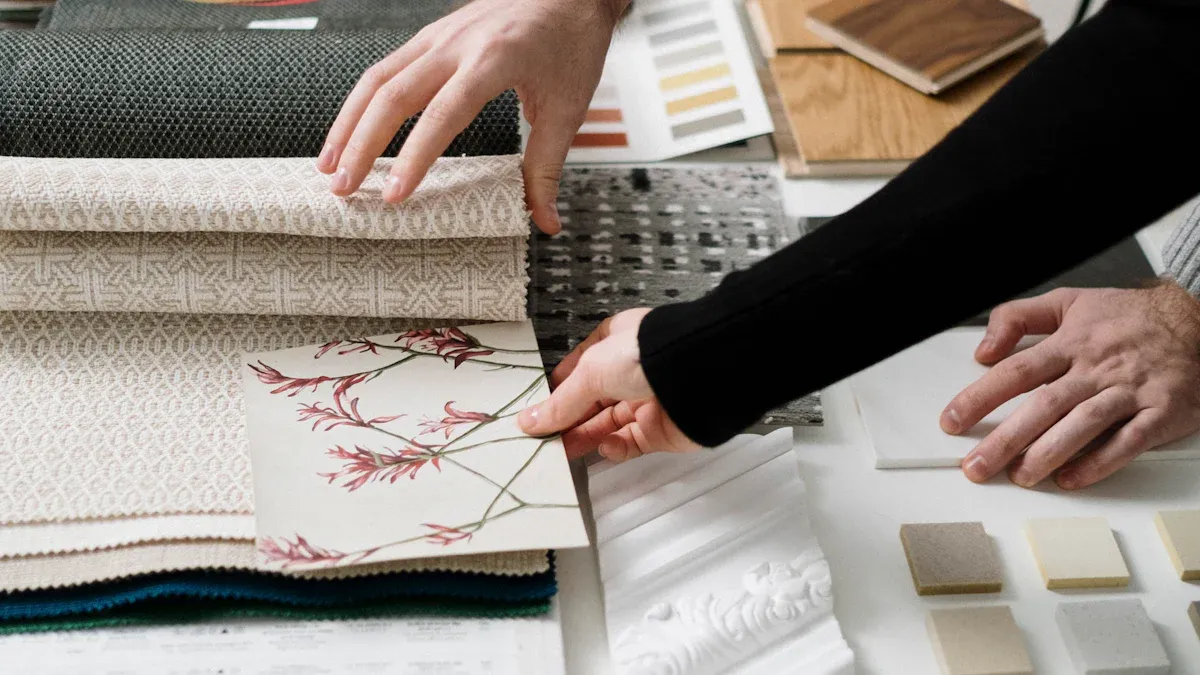
Before I place a large order, I request samples from each manufacturer. I inspect the samples closely. I check the stitching, fabric thickness, and color accuracy. I wash the textiles to see how they hold up. I want to know if the towels stay soft and if the aprons keep their shape. I also look for loose threads or uneven seams.
I use a checklist to rate each sample:
Fabric softness
Stitching quality
Color match to my brand
Durability after washing
Print or embroidery clarity
If a sample does not meet my standards, I ask for improvements. I believe that sample quality shows how the manufacturer handles larger orders. I never skip this step when sourcing products.
Customization is important for my brand. I ask manufacturers about their options for logos, colors, and patterns. Some offer embroidery, while others use screen printing or digital printing. I request digital mockups before production. I want to see how my logo looks on different textiles.
I also ask about turnaround times for custom orders. Fast service helps me launch new products quickly. I check if the manufacturer can match my brand colors. I compare their customization capabilities with my needs. Liaofan is a good choice.
Note: I always confirm the cost and lead time for each customization option. This helps me avoid delays and extra charges.
I choose manufacturers who offer flexible customization. I want to create unique kitchen textiles that stand out in the market.
When I choose a custom kitchen textiles manufacturer, I always pay close attention to their minimum order requirements. Minimum orders, often called MOQs, tell me the smallest number of items I must buy in one order. Every manufacturer sets their own MOQ. Some accept small batches, while others only work with large quantities. I learned that understanding MOQs helps me avoid surprises and plan my budget better.
I start by asking each manufacturer about their minimum order size for every product I want. For example, one supplier might require 100 aprons per order, while another asks for 500 towels at a time. I write down these numbers so I can compare them easily.
I look for manufacturers who offer flexible MOQs. If I am testing a new product or starting a small business, I prefer suppliers with low minimums. This way, I do not risk buying more than I can sell. For larger businesses or established brands, higher MOQs might make sense because they often come with better pricing.
Tip: I always ask if the manufacturer can lower the MOQ for my first order. Many suppliers agree to smaller batches for new customers. This helps me test their quality without a big investment.
Sometimes, I find that MOQs change based on customization. If I want a special color or logo, the manufacturer might require a higher minimum. I ask about this before I finalize my order. I also check if the MOQ applies to each style or to the total order. For example, can I mix different colors or sizes to meet the minimum? Some manufacturers allow this, which gives me more flexibility.
I learned that MOQs affect my cash flow and storage space. If I order too much, I need to find room to store the extra stock. If I order too little, I might run out before my next shipment arrives. I plan my orders based on my sales history and future needs.
I always read the contract carefully. I make sure the MOQ is clear and matches what we discussed. If I have questions, I ask before I sign. Clear communication helps me avoid misunderstandings.
In my experience, understanding and negotiating minimum orders is key to building a good relationship with my manufacturer. It helps me manage my costs, reduce waste, and grow my business at my own pace.
I always pay close attention to how quickly a manufacturer responds to my questions. Fast replies show that the company values my time and wants my business. When I send an email or fill out a contact form, I expect a reply within one business day. If I wait longer, I start to worry about future delays.
I test responsiveness by asking simple questions about products or order details. I notice if the answers are clear and helpful. I also check if the manufacturer follows up after sending samples or quotes. Good communication builds trust and helps me avoid mistakes.
Tip: I keep a record of response times for each manufacturer. This helps me compare their service and choose the best partner.
Here is a simple checklist I use:
Replies within 24 hours
Answers are clear and complete
Follows up on requests
Offers solutions to problems
Manufacturers who respond quickly make my job easier. I feel confident working with them.
Lead time means how long it takes for the manufacturer to produce and deliver my order. I always ask for a clear timeline before placing an order. I want to know how many days it takes to make samples, finish production, and ship the products.
I compare lead times from different manufacturers. Shorter lead times help me launch new products faster. Longer lead times may cause problems if I need to restock quickly. I ask if the manufacturer can meet urgent deadlines or handle rush orders.
I always confirm the timeline in writing. If the manufacturer misses deadlines, I review the reasons and decide if I should continue working with them.
Note: I ask about holidays or busy seasons that might affect lead times. Planning ahead helps me avoid delays.
Strong customer support makes a big difference in my experience. I look for manufacturers who offer help before, during, and after the sale. I test their support by calling or emailing with questions about products, orders, or problems.
I want support staff who listen to my needs and offer real solutions. I check if they provide updates during production and shipping. I also ask about their process for handling complaints or returns.
Here are signs of good customer support:
Friendly and helpful staff
Clear answers to questions
Regular updates on orders
Quick solutions for problems


