Custom Kitchen Textiles are essential for high-volume kitchens, addressing issues such as durability, cleanliness, and aesthetics. Kitchen managers often struggle with finding the right materials that balance these needs effectively. Choosing the correct kitchen textiles can not only enhance efficiency but also improve the overall dining experience. For instance, a well-chosen apron can withstand over 100 washes while maintaining its vibrant colors, ensuring longevity and value. This article dives into practical solutions, detailed preparation, and step-by-step guidance to help you select the best custom kitchen textiles for your workspace.
Required Preparation for Choosing Custom Kitchen Textiles
Before diving into the selection of kitchen textiles, understanding the specific needs of your high-volume kitchen is crucial. Here’s what you’ll need:
- Assess Your Needs: Identify the type of textiles needed, such as aprons, towels, and oven mitts. Consider the volume of use and frequency of laundering.
- Materials & Tools: Research fabric options that are durable and easy to clean, such as polyester blends, which have a tensile strength of up to 40 MPa.
- Budget Considerations: Set a budget for how much you can afford. Quality custom textiles can range from $10 to $50 per piece.
- Supplier Evaluation: Look for reputable suppliers like FINOHOPE that offer customizable options and bulk pricing for high-volume kitchens.
Step-By-Step Guidance to Choose the Right Custom Textiles
Follow these steps to make an informed choice:
- Step 1: Analyze Your Work Environment
Observe how textiles are used throughout the kitchen. Are they utilized more in food prep, cleaning, or plating? Ensure you have enough textiles for each task.
- Step 2: Select the Right Material
Aim for textiles made from materials like cotton-polyester blends. Fabrics like these can resist stains and withstand frequent washing at temperatures above 60°C. Explore options from FINOHOPE for specialized fabrics.
- Step 3: Consider Customization
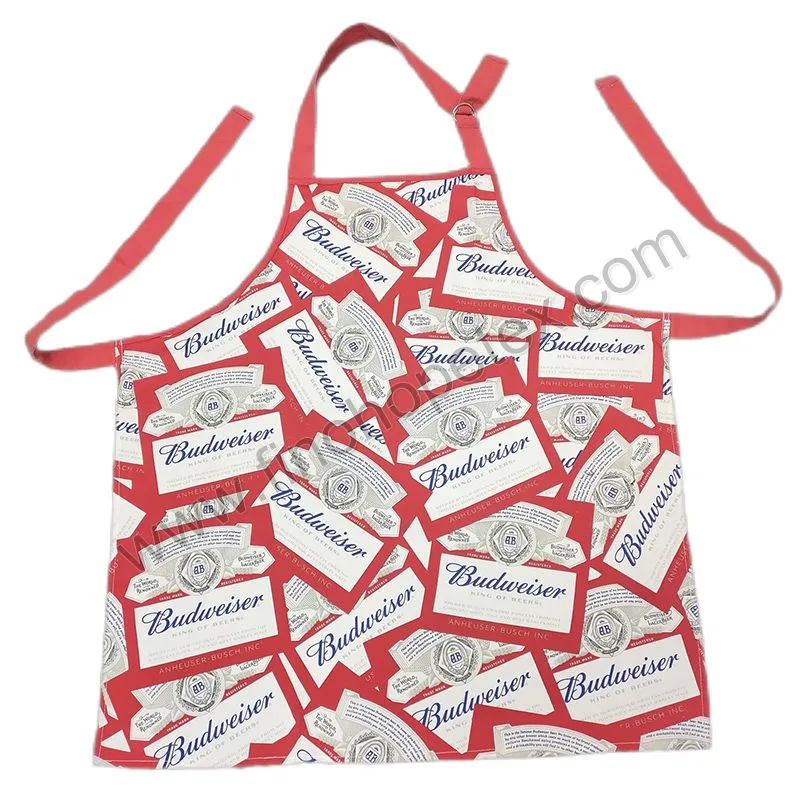
Personalize your textiles with your logo or specific color schemes that align with your kitchen’s unique identity. Custom printed textiles lead to a brand recall increase of up to 15% among large customer bases.
- Step 4: Test Durability
Before committing to a large order, request samples from your suppliers. Check for durability by washing the samples multiple times to see how they withstand long-term use.
- Step 5: Gather Feedback
Involve your kitchen staff in the testing process to get input on comfort, usability, and design preferences. Their insights can lead to better overall performance in the kitchen.
Common Errors in Choosing Custom Kitchen Textiles and Solutions
While selecting custom kitchen textiles, avoid these common pitfalls:
- Choosing Aesthetic Over Function: A beautiful textile might not hold up under heavy usage. Prioritize function first. Solution: Always assess durability ratings in your decision-making process.
- Overlooking Care Instructions: Some materials require special washing techniques. Solution: Double-check the care requirements with your supplier.
- Skipping the Sampling Phase: Ordering in bulk without seeing samples can lead to dissatisfaction. Solution: Always request samples to review quality before placing large orders.
Summary and Suggestions
Custom kitchen textiles are vital for high-volume kitchens, necessitating a strategic approach to selection. Start with a comprehensive needs assessment, focus on materials that promise durability, and leverage customization options to reflect your brand. By avoiding common missteps, you can ensure your kitchen textiles enhance both utility and style.
FAQs About Custom Kitchen Textiles
1. What type of fabric is best for kitchen textiles?
Polyester blends are often recommended for their durability, resistance to stains, and easy maintenance.
2. How often should I replace kitchen textiles?
High-volume kitchen textiles should be replaced every 6-12 months, depending on wear and tear and laundering frequency.
3. Can custom kitchen textiles help with branding?
Yes, custom textiles can significantly boost brand visibility and recognition when they feature your logo or unique designs.


