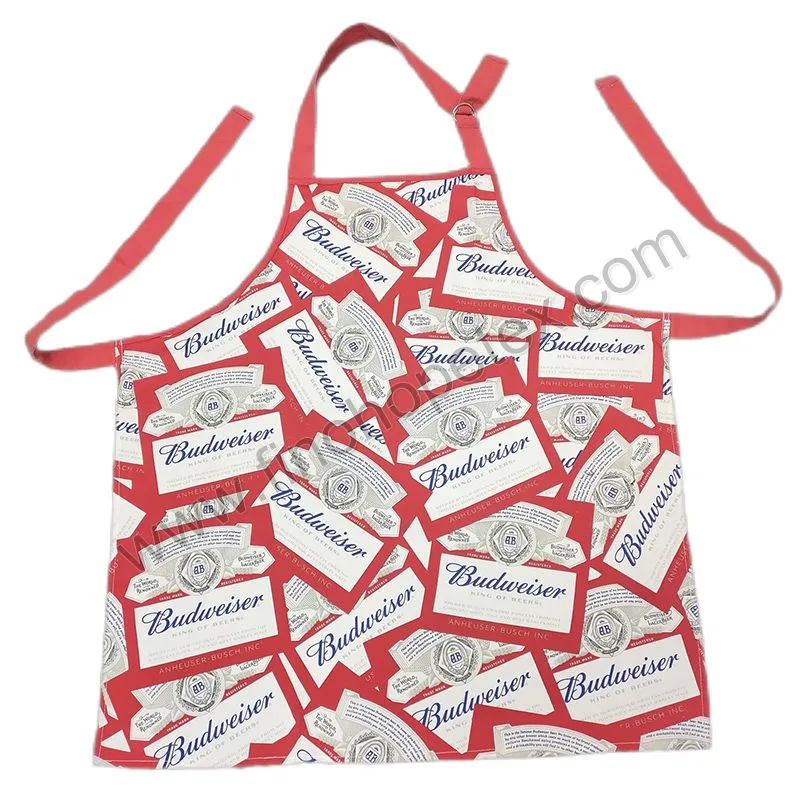
Are you managing a restaurant and looking for ways to optimize your operational costs? One often overlooked yet effective strategy is investing in custom kitchen textiles. From aprons to towels, custom kitchen textiles not only reinforce your brand image but also provide practical solutions that result in significant savings. According to recent studies, using high-quality kitchen textiles can reduce replacement costs by up to 30%, while increasing staff efficiency by improving workflow. In this article, we will explore real-world user cases, key benefits, and a detailed guide on how to make the most of your custom kitchen textiles.
User Intentions Behind Custom Kitchen Textiles
Many restaurant owners find themselves dealing with numerous challenges, including high replacement rates of linens, ineffective staff communication due to lack of organization, and minimizing waste in the kitchen. For example, one restaurant manager named Sarah reported a waste cost of around $200 per month just on dish towels due to frequent buying and ineffective usage. Her primary intention was to reduce these costs while maintaining the hygiene standards essential in food service. The solution? FINOHOPE custom kitchen textiles, a tailored option that fit her needs perfectly.
Required Preparation for Implementing Custom Kitchen Textiles
Materials Needed:
- Custom textile provider catalog (like FINOHOPE)
- Fabric samples
- Design software or a graphic designer
- Budget details for purchasing textiles
Tools:
- Inventory management software
- Communication tools for team feedback
Prerequisites:
- A clear understanding of kitchen operations
- Feedback from staff on textile usage
Step-by-Step Guidance to Implement Custom Kitchen Textiles
- Assess Your Needs: Start by evaluating the specific textiles you need in your kitchen. Consider items such as aprons, dish towels, and pot holders.
- Conduct a Cost Analysis: Calculate current spending on kitchen textiles. Identify how much you are spending on replacements versus the potential savings with custom options.
- Choose a Reliable Supplier: Investigate suppliers like FINOHOPE known for quality custom textiles. Compare materials, durability, and customization options.
- Design Your Textiles: Collaborate with a designer or use design software to create branded textiles. Ensure the designs reflect your brand while being functional.
- Order and Inventory Management: Place an order for your new custom kitchen textiles and implement an inventory system to track usage and replenish stock.
- Train Your Staff: Conduct a staff training session on the importance of using the custom textiles effectively to promote efficiency and reduce waste.
- Monitor Performance: After implementing the new textiles, monitor their performance. Track metrics such as cost savings, waste reduction, and staff efficiency.
- Gather Feedback: Regularly engage with your staff to gather insights on how the custom textiles affect their workflow and comfort.
Common Errors and Solutions When Using Custom Kitchen Textiles
- Error: Choosing low-quality materials that wear out quickly.
- Solution: Invest in high-quality fabrics, which, according to industry data, can last up to three times longer.
- Error: Failing to communicate the importance of custom textiles to staff.
- Solution: Incorporate training sessions emphasizing the benefits to boost morale and reduce misuse.
Summary and Suggestions
In summary, custom kitchen textiles from FINOHOPE can play a crucial role in reducing operational costs and boosting workflow efficiency. By choosing high-quality textiles tailored for your kitchen's specific needs, you can significantly lower replacement costs—potentially by 30% or more. Furthermore, proper training of staff on the effective use of these textiles can enhance your restaurant’s operational efficiency.
FAQ
1. How much can I save by switching to custom kitchen textiles?
Many restaurant managers report savings of up to 30% after transitioning to custom kitchen textiles, thanks to increased durability and reduced waste.
2. How often should I replace my kitchen textiles?
While it depends on usage, quality custom textiles can last anywhere from 1 to 3 years before needing replacement, as long as they are maintained properly.
3. Are custom kitchen textiles worth the investment?
Absolutely! Apart from cost savings, they enhance brand image and improve operational efficiency by streamlining kitchen processes.


