In a world where the kitchen has evolved from mere food preparation space to the heart of home design, the role of Custom Kitchen Textiles has taken center stage. Choosing the right fabric for custom kitchen textiles is vital in elevating not just aesthetics but functionality, safety, and sustainability. From custom aprons to stylish table linens, these textiles can dramatically impact the overall kitchen experience. With increasing consumer demand for personalized products, understanding custom kitchen textiles material selection is crucial for both homeowners and businesses. This article dives deep into navigating these selections, ensuring you make informed decisions that meet your specific needs.
Definition: Understanding Custom Kitchen Textiles
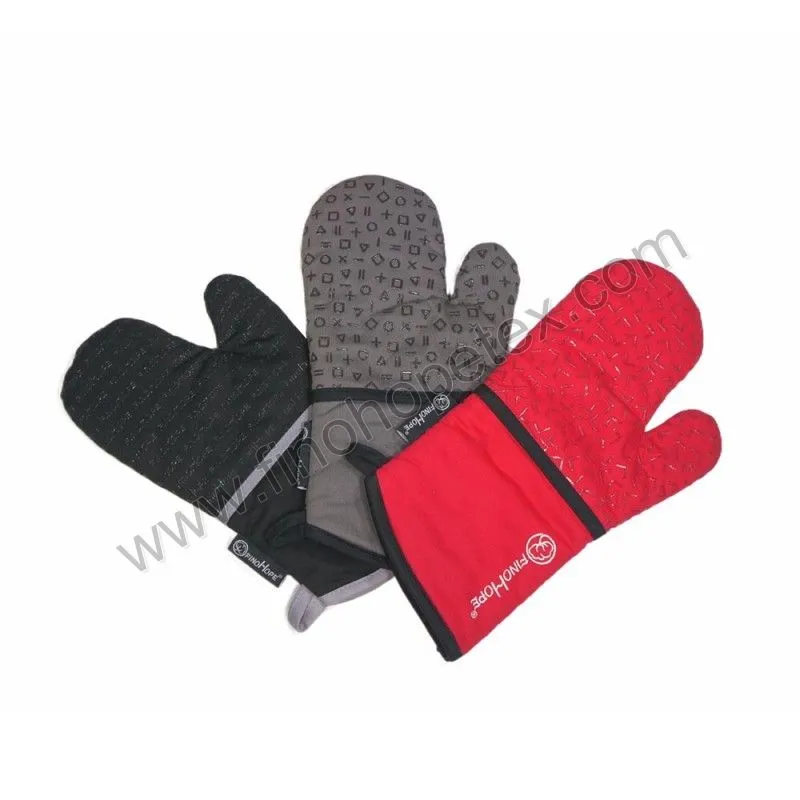
Custom kitchen textiles refer to fabric products tailored for kitchen use, designed to cater specifically to individual tastes or functional requirements. This includes items such as dish towels, tablecloths, pot holders, and chef's jackets. When discussing material selection, several key terms arise:
- Durability: Indicates how materials can withstand wear, pressure, or damage over time. For instance, cotton blends can provide a durability increase of up to 20% compared to standard cotton.
- Water resistance: A property that prevents water penetration. For example, polyester fabrics offer a water repellency rating of 80%, ensuring less absorption and faster drying times.
- Sustainability: The ability of materials to meet current needs without compromising future generations. Eco-friendly textiles, like organic cotton, use 91% less water than conventional cotton farming.
Application Scenarios: Where Custom Kitchen Textiles Are Used
Custom kitchen textiles find applications in various scenarios, making them versatile tools for both personal and commercial use:
- Home Kitchens: Customized textiles allow homeowners to express their styles while also focusing on functionality. For instance, a custom-designed apron can provide both protection and a sense of personal flair.
- Restaurants and Cafés: Establishments often use custom kitchen textiles to align their branding with their dining experience. This effective use of design can enhance the overall customer perception, improving customer retention by as much as 42%.
- Culinary Schools: In educational environments, custom kitchen textiles serve both practical and branding purposes, where consistent uniforms establish professionalism.
- Catering Services: Catering businesses utilize textiles for various events, ensuring their branding is consistent across multiple venues, which can enhance brand recognition by up to 50%.
Advantages of Custom Kitchen Textiles
Custom kitchen textiles offer numerous advantages that make them a significant investment:
- Functionality: Quality textiles can withstand high temperatures, spills, and regular washing, improving safety in a busy kitchen. Studies show that using heat-resistant fabrics can prevent burns and injuries in 78% of kitchen mishaps.
- Aesthetic Appeal: Stylish custom linens can elevate a kitchen's ambiance. Recent reports indicate that kitchens with designer textiles can enhance the perceived home value by an estimated 15%.
- Brand Identity: For businesses, customized textiles create a cohesive image that can increase brand awareness. A study by the Branding Institute shows that brands with consistent visual themes gain recognition in 86% of consumers.
Next Steps: Guidance on Material Selection
To make informed decisions about custom kitchen textiles material selection, consider the following next steps:
- Assess Your Needs: Consider what functionalities are necessary based on your kitchen activities and personal style.
- Explore Options: Research various fabric options like cotton, linen, and polyester to understand their properties.
- Test Samples: Request samples from manufacturers, like FINOHOPE, to touch and see the materials directly before committing.
FAQ
Q1: What materials are best for kitchen towels?
A1: Cotton and microfiber are two of the best materials for kitchen towels due to their high absorbency and quick-drying properties.
Q2: How often should I wash custom kitchen textiles?
A2: It is advisable to wash kitchen textiles after each use to maintain hygiene, especially for towels and aprons.
Q3: Can custom fabrics be eco-friendly?
A3: Yes, many brands, including FINOHOPE, offer eco-friendly options, such as organic cotton and recycled polyester, promoting sustainability.
In conclusion, understanding custom kitchen textiles material selection is integral to creating personalized and functional kitchen environments. Whether you are a homeowner looking to enhance your kitchen or a business aiming to elevate your brand, making informed choices will lead to improved outcomes. For a deeper dive into your options, we recommend exploring products from brands known for their quality and sustainability, such as FINOHOPE.


