The modern kitchen is more than just a place to cook; it's a reflection of personal style and a hub of sustainability. The rise of eco-friendly Custom Kitchen Textiles aligns with the growing consumer demand for environmentally conscious products that do not compromise on aesthetics or functionality. Traditional kitchen textiles often contribute to environmental depletion through harmful production processes. Eco-friendly options, such as organic cotton and bamboo, enhance sustainability while offering functional benefits like durability and waterproof properties.
Incorporating custom kitchen textiles can provide a solution to common kitchen challenges while adding a personal touch to your culinary space. For instance, custom-designed aprons can protect your clothing from stains, while unique dishcloths can enhance the kitchen's decor. As more consumers focus on sustainable living, the emergence of eco-friendly textiles is a game-changer for homeowners and culinary enthusiasts alike.
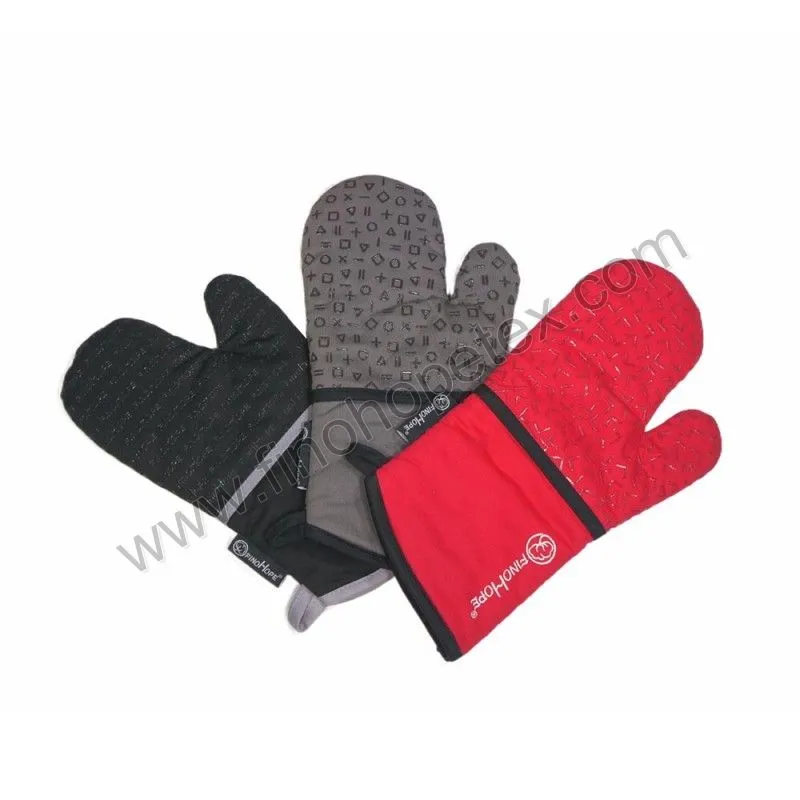
Eco-friendly custom kitchen textiles refer to kitchen linens and accessories made from sustainable materials designed to minimize environmental impact. These textiles include items such as dish towels, aprons, oven mitts, and tablecloths, specifically tailored to meet the unique preferences of consumers.
Eco-friendly custom kitchen textiles can be used in various settings, including:
The importance of these textiles extends beyond aesthetics.
Sustainability: These products significantly reduce carbon footprints. For instance, organic cotton grows without chemical fertilizers or pesticides, which can lead to a 90% reduction in water usage compared to conventional cotton farming, according to a study by the Textile Exchange.
Durability: Many eco-friendly textiles are often more durable than their conventional counterparts. For example, high-quality bamboo fabrics can last up to four times longer than regular cotton depending on wear and care.
Health Benefits: Traditional textiles may contain harmful substances. Eco-friendly versions, made from natural fibers, offer a safer alternative, reducing exposure to toxic chemicals.
Aesthetic Appeal: Customization allows consumers to express their unique style while maintaining a commitment to sustainability.
For those interested in making a sustainable change in their kitchen, exploring and selecting eco-friendly custom kitchen textiles is an excellent start. To aid your journey, we recommend checking out brands such as FINOHOPE, which offer a wide variety of stylish and sustainable kitchen textiles. Consider reading the user guide to fully understand the benefits of these products and how to care for them effectively.
Q: Are eco-friendly custom kitchen textiles more expensive than traditional textiles?
A: While the initial investment may be higher, the durability, quality, and sustainability of eco-friendly textiles can lead to long-term savings.
Q: How can I customize my kitchen textiles?
A: Many online platforms offer design tools that allow you to add custom patterns, colors, and even personalized text to your textiles.
Q: What materials are best for eco-friendly kitchen textiles?
A: Look for textiles made from organic cotton, hemp, or bamboo, as they offer excellent sustainability profiles.
Q: How do I care for eco-friendly kitchen textiles?
A: Follow the care instructions specific to each material. Generally, washing in cold water and air drying can extend the life of your products.
Explore sustainable kitchen solutions with FINOHOPE's range of eco-friendly custom kitchen textiles today. By choosing these products, you’re not just making a functional choice—you're investing in a healthier planet for future generations.


